
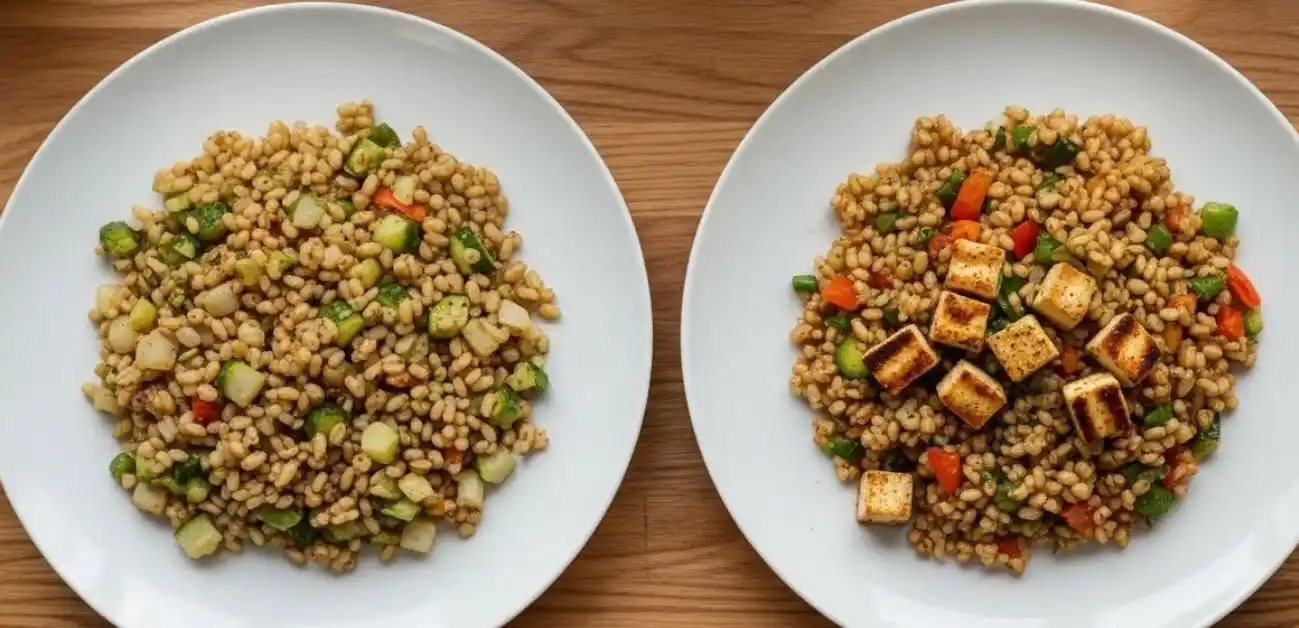
If you’ve ever cooked a gluten-free vegetarian meal and felt disappointed by the flavor, you’re not alone. Many people assume that gluten-free and vegetarian food is naturally bland, boring, or lacking depth. In reality, the issue isn’t the diet—it’s the approach.
Understanding why gluten-free vegetarian food tastes bland is the first step toward fixing it. With a few simple adjustments, you can transform everyday meals into flavorful, satisfying dishes without adding complexity or extra cooking time.
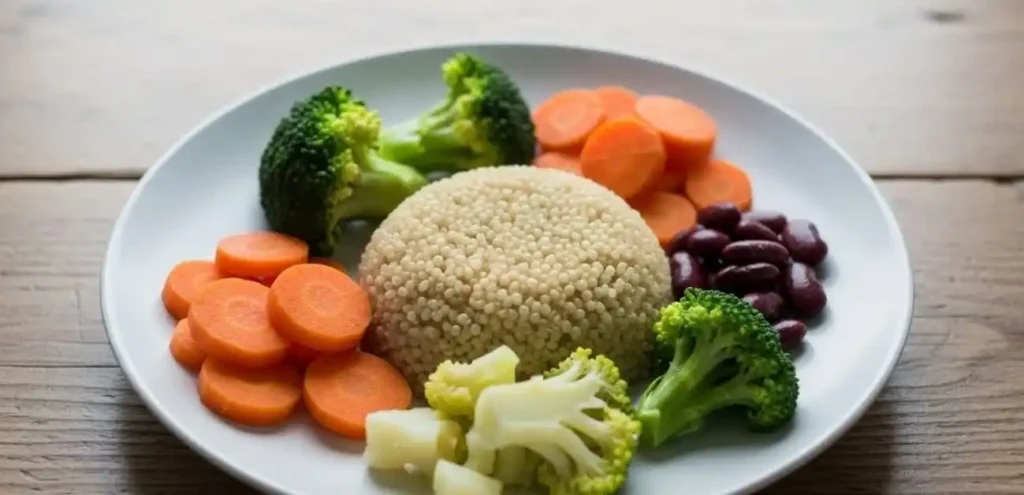
Why Gluten-Free Vegetarian Food Tastes Bland
One of the main reasons gluten-free vegetarian food can taste flat is the absence of traditional flavor carriers. Gluten-containing grains and meat naturally contribute richness, texture, and umami. When they’re removed, meals need a different strategy to achieve balance.
Another issue is over-reliance on basic ingredients without proper seasoning. Vegetables, grains, and legumes are neutral by nature. Without intentional flavor-building, they can easily taste dull, especially after cooking.
Finally, many people under-season gluten-free vegetarian meals out of caution, especially when avoiding processed products. This hesitation often leads to meals that are technically healthy but not enjoyable.
The Biggest Mistakes That Make Gluten-Free Vegetarian Food Bland
Before fixing the problem, it helps to recognize what commonly goes wrong.
Using Too Little Salt
Salt doesn’t just make food salty—it enhances natural flavors. Gluten-free vegetarian meals often need slightly more seasoning to bring out the depth of vegetables and grains.
Skipping Acid
Acid is essential for balance. Without it, meals can taste heavy or flat. Lemon juice, vinegar, or yogurt-based sauces can instantly brighten a dish.
Relying Only on Steaming or Boiling
Steaming and boiling preserve nutrients, but they don’t build flavor. Roasting, sautéing, and pan-searing create caramelization, which adds richness and complexity.
Not Layering Flavors
Adding all seasoning at the end rarely works. Flavor should be built step by step—during cooking, not just before serving.
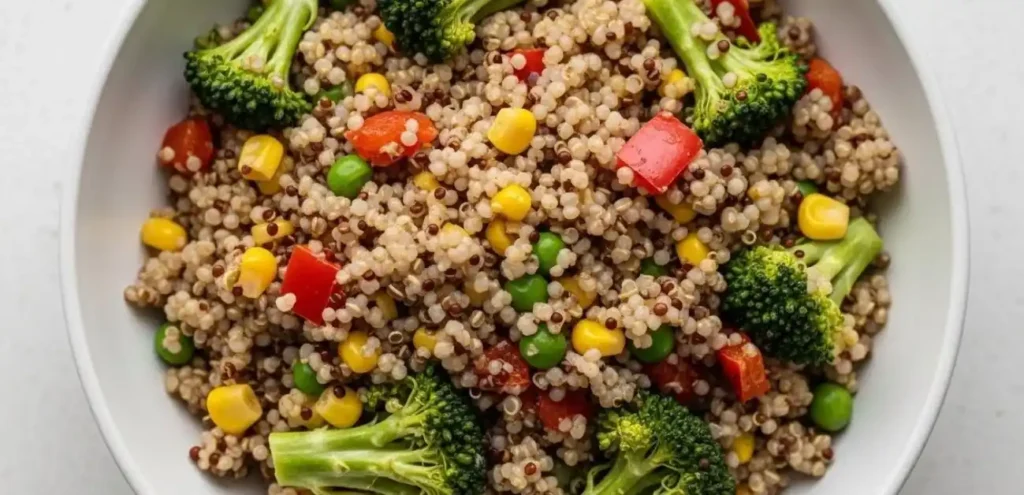
How to Add Flavor to Gluten-Free Vegetarian Food
The good news is that fixing bland meals doesn’t require fancy ingredients or extra time.
Use Aromatics Early
Garlic, onions, shallots, and spices should be cooked in oil at the beginning. This releases their aroma and forms a flavorful base for the entire dish.
Embrace Herbs and Spices
Fresh herbs add brightness, while spices add warmth and depth. Even simple combinations like cumin and paprika or oregano and thyme can completely change a dish.
Add a Sauce or Dressing
Sauces are one of the easiest ways to add flavor. Even a simple drizzle of olive oil and lemon juice can elevate a grain bowl or roasted vegetables.
Finish with Contrast
Texture and contrast matter. Crunchy toppings, fresh herbs, or a final squeeze of citrus can make meals feel complete and intentional.
Ingredients That Instantly Boost Flavor
Some ingredients are especially helpful in gluten-free vegetarian cooking:
- Garlic and onions
- Lemon juice and vinegar
- Olive oil and butter
- Spices like cumin, smoked paprika, and chili flakes
- Fresh herbs such as parsley, cilantro, and basil
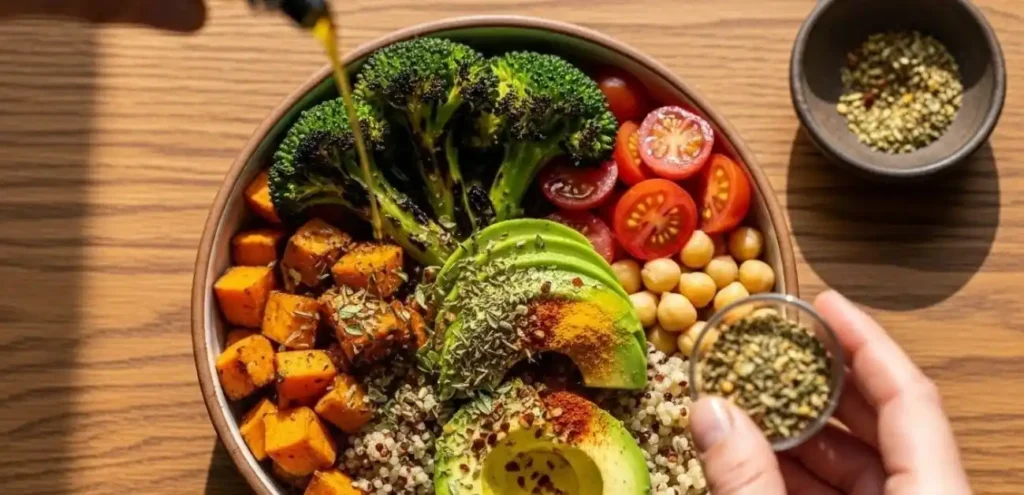
Keeping these on hand makes it easier to create flavorful meals without planning extensively.
Why Meal Prep Can Make Bland Food Worse (And How to Avoid It)
Meal prep is incredibly useful, but it can amplify blandness if meals aren’t seasoned properly from the start. Flavors tend to mellow as food sits in the fridge, so under-seasoned meals can taste even flatter after reheating.
To avoid this, season meals generously during cooking and consider adding fresh elements—like herbs or sauces—right before serving. This approach keeps prepped meals vibrant throughout the week.
If you’re planning ahead, pairing strong flavors with your gluten-free vegetarian meal prep ideas helps ensure meals stay satisfying even after several days.
How to Fix Bland Gluten-Free Vegetarian Meals Quickly
If a meal already tastes bland, it’s rarely too late to fix it.
Try one of these quick solutions:
- Add salt and taste again
- Squeeze fresh lemon juice over the dish
- Drizzle olive oil or a simple sauce
- Sprinkle fresh herbs or chili flakes
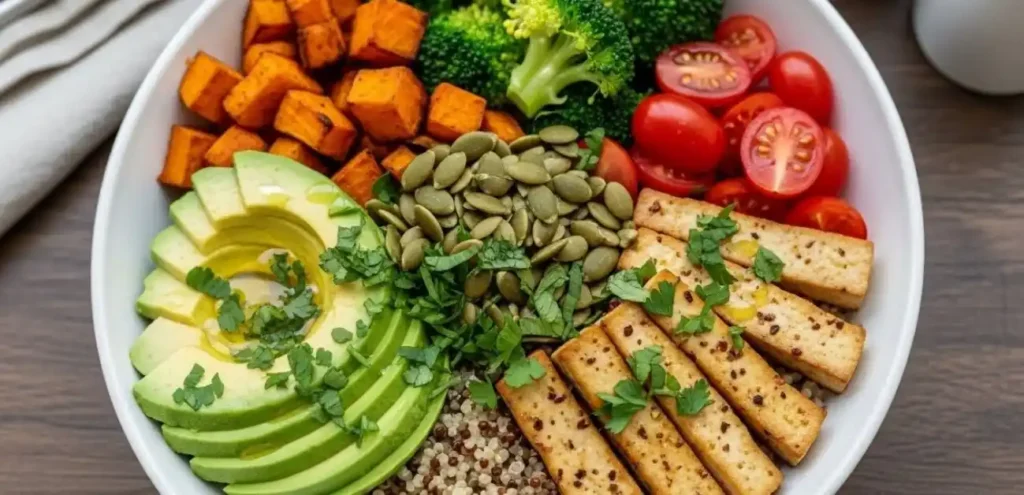
Small adjustments often make a big difference.
How to Build Flavor in Gluten-Free Vegetarian Cooking Over Time
One of the most effective ways to avoid bland gluten-free vegetarian meals is to think beyond individual recipes and focus on long-term cooking habits. Flavor isn’t only created in a single moment—it develops through repetition, confidence, and understanding how ingredients work together.
As you cook more gluten-free vegetarian meals, you’ll start to notice patterns. Certain spices pair better with legumes, while some vegetables benefit from higher heat or longer roasting times. Learning these small details allows you to adjust seasoning instinctively instead of following recipes blindly.
Another important aspect is tasting throughout the cooking process. Many bland meals happen because seasoning is only added at the end. Tasting as you go helps you correct imbalance early, whether that means adding salt, acid, or a touch of fat to round out flavors.
Finally, keeping a few reliable flavor boosters on hand—such as spice blends, citrus, fresh herbs, or simple sauces—makes it easier to enhance meals without extra effort. Over time, these habits naturally lead to gluten-free vegetarian food that tastes bold, balanced, and satisfying, without requiring complicated techniques or long cooking times.
FAQs
Is gluten-free vegetarian food supposed to taste bland?
No. When prepared correctly, gluten-free vegetarian meals can be just as flavorful and satisfying as any other type of cooking.
What spices work best for gluten-free vegetarian meals?
Spices like cumin, paprika, turmeric, garlic powder, and chili flakes work especially well with vegetables and legumes.
Does meal prep make gluten-free vegetarian food less tasty?
It can if meals are under-seasoned. Proper seasoning and finishing touches help maintain flavor throughout the week.
How can beginners improve flavor quickly?
Focus on salt, acid, and cooking methods like roasting or sautéing. These basics solve most flavor issues.

Final Thoughts
Bland gluten-free vegetarian food isn’t a rule—it’s a result of missing techniques. Once you understand how flavor works, it becomes easy to create meals that are bold, comforting, and satisfying.
By seasoning intentionally, using the right cooking methods, and finishing dishes with contrast, gluten-free vegetarian meals can become something you genuinely look forward to. This knowledge not only improves everyday cooking but also makes long-term meal planning far more enjoyable.
Follow me on Facebook and Pinterest for Easy Gluten-Free Vegetarian Recipes!