
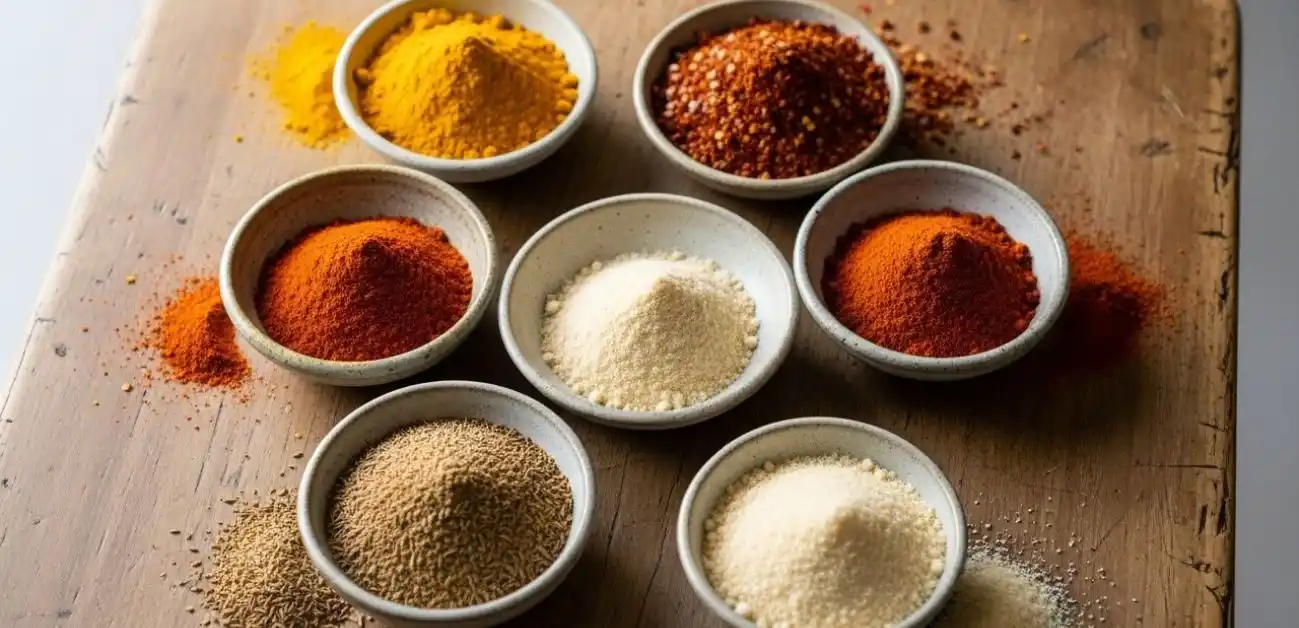
If you’ve ever wondered why your meals taste flat even when you’re cooking from scratch, spices are often the missing link. Choosing the best spices for gluten-free vegetarian cooking can completely transform simple ingredients into flavorful, satisfying meals—without adding extra prep time or complexity.
Many gluten-free vegetarian dishes rely on vegetables, grains, and legumes that are naturally mild. Spices bring depth, warmth, and balance, making meals more enjoyable and easier to repeat throughout the week.
If you’ve ever wondered why your meals seem a bit dull, you’re not alone — understanding why gluten-free vegetarian food tastes bland is the first step toward fixing it.
This guide breaks down the most effective spices to use, how to use them correctly, and how they fit into everyday gluten-free vegetarian cooking.
Why Spices Matter in Gluten-Free Vegetarian Meals
Spices are not just about heat or aroma—they are essential flavor builders. In gluten-free vegetarian cooking, where meat-based richness and gluten structure are absent, spices help create complexity and interest.
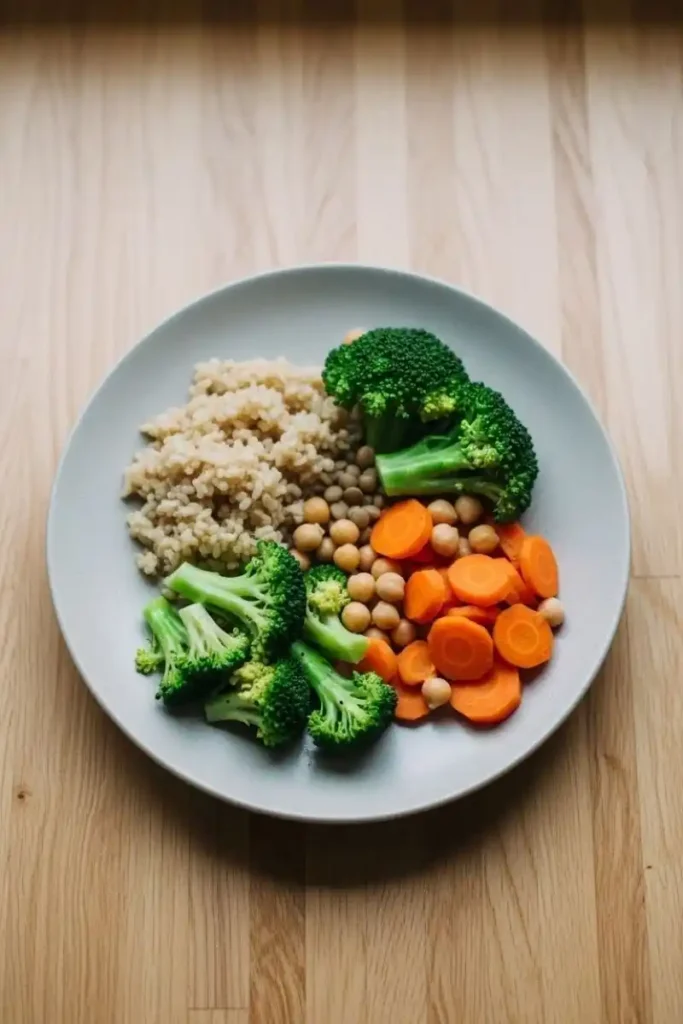
When meals taste bland, it’s rarely because the ingredients are wrong. It’s usually because seasoning was added too late, too lightly, or not layered properly. Using the right spices early in the cooking process helps flavors develop naturally instead of sitting on the surface.
If you’ve experienced bland meals before, this is one of the core reasons why gluten-free vegetarian food tastes bland, and it’s also one of the easiest problems to fix.
The Best Spices for Gluten-Free Vegetarian Cooking
These spices are naturally gluten-free and work exceptionally well with vegetables, grains, tofu, and legumes.
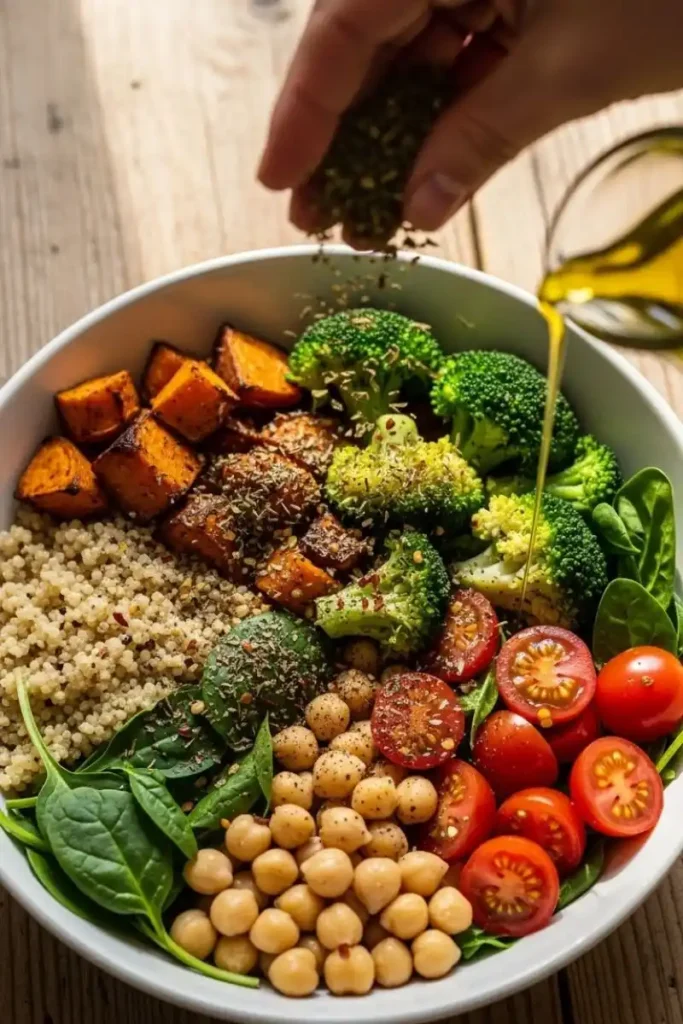
Cumin
Cumin adds warmth and depth, especially to lentils, chickpeas, roasted vegetables, and rice-based dishes. It works well in both quick dinners and meal prep recipes because its flavor holds up over time.
Best uses:
- lentil dishes
- roasted vegetables
- grain bowls
Smoked Paprika
Smoked paprika adds a subtle smoky flavor without heat. It’s ideal for replacing the depth people often miss when removing meat from meals.
Best uses:
- tofu and tempeh
- roasted potatoes
- sheet-pan dinners
Turmeric
Turmeric brings earthiness and color. While mild on its own, it works best when paired with black pepper and fat to enhance absorption and flavor.
Best uses:
- rice and quinoa
- vegetable sautés
- soups
Chili Flakes
Chili flakes add controlled heat and wake up otherwise neutral dishes. A small amount goes a long way.
Best uses:
- pasta
- roasted vegetables
- sauces and dressings
Garlic Powder
Garlic powder is a reliable base spice, especially for quick cooking. It distributes flavor evenly and works well in meal prep dishes.
Best uses:
- roasted vegetables
- tofu
- grains
Onion Powder
Onion powder adds savory depth without moisture, making it perfect for seasoning grains or baked dishes.
Best uses:
- rice dishes
- veggie burgers
- casseroles
Ground Coriander
Coriander adds a light citrusy note that balances heavier spices. It pairs especially well with vegetables and legumes.
Best uses:
- chickpeas
- roasted carrots
- soups
How to Use Spices Correctly (So Food Doesn’t Taste Bland)
Spices are most effective when used intentionally. Simply sprinkling them at the end rarely delivers full flavor.
Key tips:
- Add spices early when sautéing onions or vegetables
- Toast spices briefly in oil to release aroma
- Combine spices with salt and fat for balance
- Taste as you cook, not just at the end
These small habits dramatically improve gluten-free vegetarian meals without extra effort.
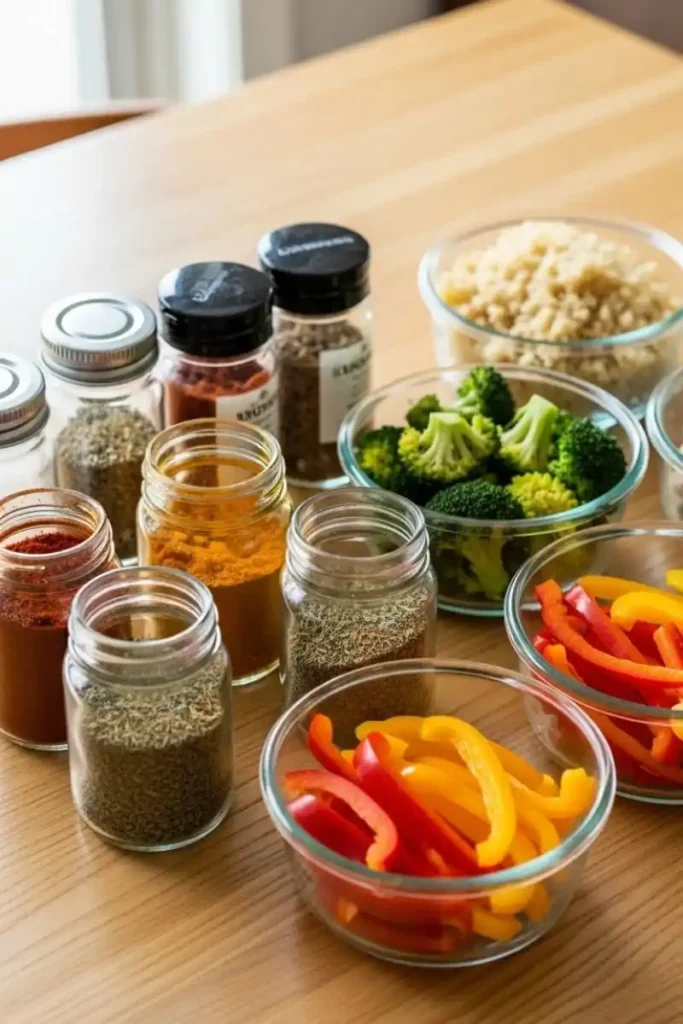
Spices That Work Well for Meal Prep
Some spices mellow over time, while others hold their flavor beautifully. For meal prep, choose spices that stay vibrant after reheating.
Best meal-prep-friendly spices:
- cumin
- smoked paprika
- garlic powder
- onion powder
These spices are perfect for gluten-free vegetarian meal prep ideas because they maintain depth throughout the week.
Common Mistakes When Using Spices
Even good spices can fail if used incorrectly.
Common mistakes include:
- using old, stale spices
- adding spices only at the end
- skipping salt alongside spices
- using too many spices at once
Keeping your spice rack fresh and simple leads to more consistent results.
How Spices Help Fix Bland Gluten-Free Vegetarian Food
Spices don’t just add flavor—they add confidence. When you understand how to use them, cooking becomes more intuitive and less dependent on strict recipes.
This knowledge directly addresses the issue of bland meals and complements the strategies discussed in why gluten-free vegetarian food tastes bland, making it easier to apply solutions in everyday cooking.
FAQs About Spices for Gluten-Free Vegetarian Cooking
Are all spices gluten-free?
Most single-ingredient spices are naturally gluten-free, but always check labels for blends that may contain additives.
How many spices do I need to start?
You can start with five basics: cumin, smoked paprika, garlic powder, onion powder, and chili flakes.
Can spices replace sauces?
Spices build flavor, while sauces add moisture and balance. The best results often come from using both.
How do I store spices properly?
Store spices in a cool, dark place and replace them every 1–2 years for best flavor.
Common Mistakes When Using Spices in Gluten-Free Vegetarian Cooking
Many home cooks assume that gluten-free vegetarian meals taste bland because of missing ingredients, but in reality, it often comes down to how spices are used. One of the most common mistakes in gluten-free vegetarian cooking is under-seasoning. Without gluten or meat-based flavors, spices play a critical role in building depth and balance.
Another frequent issue is adding spices too late in the cooking process. Spices need heat and fat to release their full aroma. Blooming spices gently in olive oil or avocado oil before adding vegetables can dramatically improve flavor without adding complexity.
Using old or low-quality spices is another overlooked problem. Spices lose potency over time, especially when stored near heat or light. Fresh, properly stored spices make a noticeable difference in gluten-free vegetarian dishes.
Finally, many cooks rely on just one or two spices instead of layering flavors. Combining spices with fresh herbs, citrus, fermented ingredients, or umami-rich elements like tamari or nutritional yeast helps create well-rounded gluten-free vegetarian meals that never taste flat.
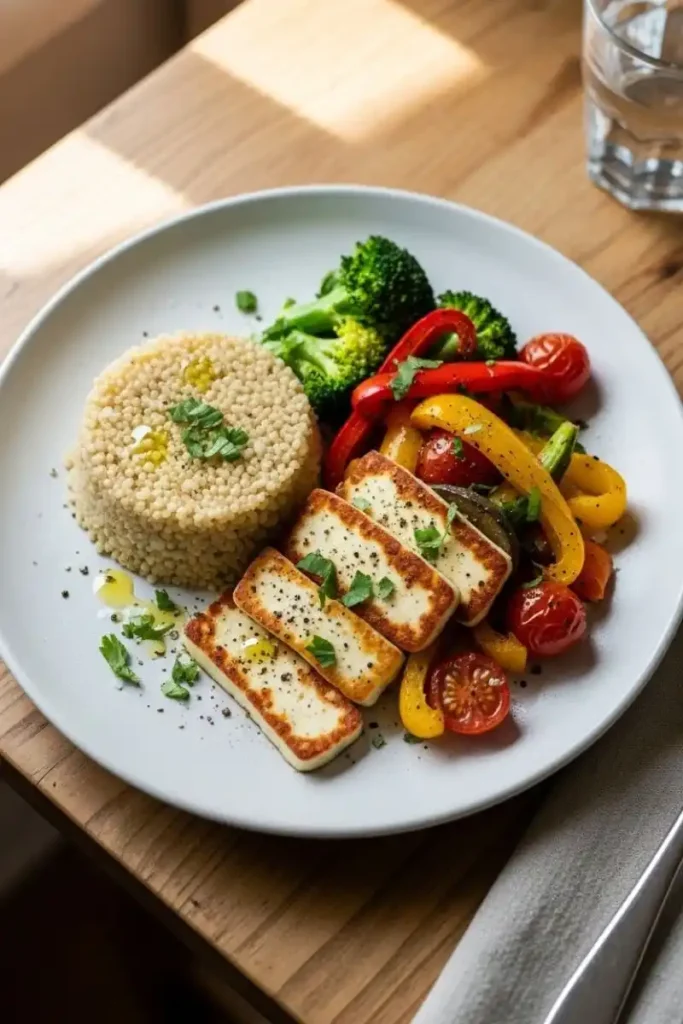
Final Thoughts on Essential Spices for Gluten-Free Vegetarian Cooking
Learning how to use the best spices for gluten-free vegetarian cooking is one of the simplest ways to improve everyday meals. With just a few well-chosen spices and better timing, you can turn bland dishes into satisfying, flavorful food without changing your ingredients or routine.
This approach not only improves taste but also makes cooking more enjoyable and sustainable in the long term.
Follow me on Facebook and Pinterest for more Gluten-Free Vegetarian Cooking!